



Top Causes of Irregular Periods and How a Gynecologist Can Help
September 20, 2026
Top Pregnancy Doctor in Mohali for High-Risk Pregnancy Care
October 4, 2026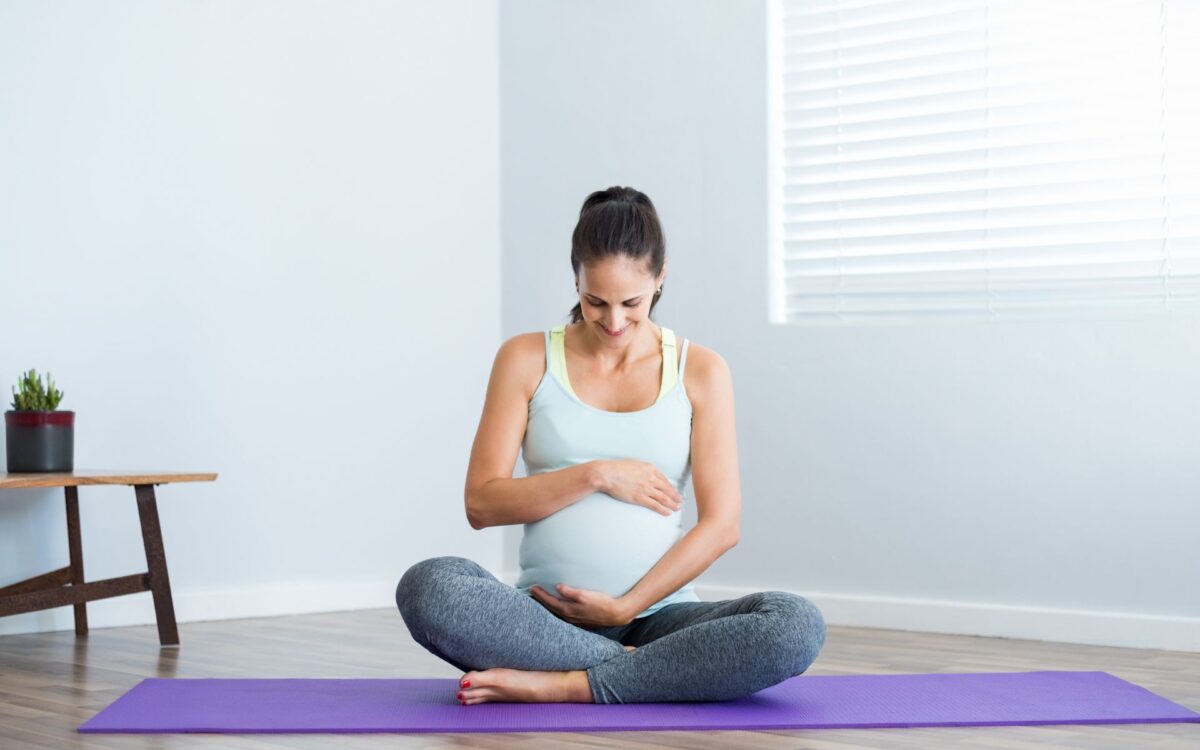
Introduction
Pregnancy is a beautiful and life-changing journey that brings excitement, emotional changes, and physical transformations. During pregnancy, many women wonder whether exercising is safe and beneficial for their health and their baby’s development. The good news is that staying physically active during pregnancy can offer multiple benefits when done correctly and under medical guidance.
Safe exercises during pregnancy help improve circulation, reduce stress, strengthen muscles, enhance stamina, and prepare the body for labor and delivery. However, choosing pregnancy-safe activities is extremely important because not every exercise is suitable during this stage.
Experts like Dr. JP Kaur often recommend customized exercise plans based on a woman’s trimester, overall health, and pregnancy condition. Understanding which exercises are safe can help mothers enjoy a healthier pregnancy journey.
Why Exercise During Pregnancy is Important
Regular physical activity supports both maternal and fetal well-being. Pregnancy places additional demands on the body, including weight gain, hormonal changes, and muscle strain. Exercise helps manage these changes more effectively.
Benefits of exercising during pregnancy include:
- Improved blood circulation
- Reduced back pain
- Better posture and flexibility
- Lower stress and anxiety
- Better sleep quality
- Reduced pregnancy discomfort
- Improved muscle strength
- Better preparation for labor
Women who remain active during pregnancy often experience improved energy levels and smoother postpartum recovery.
Consult Your Gynecologist Before Starting
Before beginning any exercise routine during pregnancy, consultation with a qualified gynecologist is important.
Certain conditions may require activity modifications, including:
- High-risk pregnancy
- Placenta previa
- Severe anemia
- Preterm labor risk
- Pregnancy-induced hypertension
- Cervical complications
Doctors evaluate overall health and recommend exercises based on individual pregnancy needs.
Walking – One of the Safest Pregnancy Exercises
Walking is one of the safest and most recommended exercises during pregnancy.
Benefits of Walking
- Improves cardiovascular health
- Helps maintain healthy weight
- Improves circulation
- Reduces swelling
- Strengthens muscles
Walking is low impact and suitable throughout pregnancy.
Walking Tips
- Wear supportive footwear
- Stay hydrated
- Avoid overheating
- Walk on safe surfaces
Even 20–30 minutes of walking daily can provide significant benefits.
Prenatal Yoga
Prenatal yoga has become increasingly popular because it combines gentle stretching, breathing exercises, and relaxation techniques.
Benefits of Prenatal Yoga
- Improves flexibility
- Reduces stress
- Helps posture
- Supports pelvic muscles
- Enhances breathing control
Yoga also promotes emotional wellness during pregnancy.
Safe Yoga Practices
Choose pregnancy-specific yoga sessions and avoid positions that involve:
- Lying flat on the back for extended periods
- Deep twisting movements
- Intense balancing poses
Always perform yoga under expert guidance.
Pelvic Floor Exercises (Kegel Exercises)
Pelvic floor muscles support the bladder, uterus, and bowel. Pregnancy increases pressure on these muscles.
Benefits of Kegel Exercises
- Strengthens pelvic muscles
- Improves bladder control
- Reduces urinary leakage
- Helps labor preparation
- Supports postpartum recovery
How to Perform Kegels
- Tighten pelvic muscles as if stopping urine flow.
- Hold for 5 seconds.
- Relax slowly.
- Repeat several times.
These exercises are safe during all trimesters.
Stretching Exercises
Gentle stretching improves flexibility and reduces pregnancy-related stiffness.
Benefits
- Reduces muscle tension
- Improves mobility
- Reduces back discomfort
- Improves posture
Safe Stretching Areas
- Neck
- Shoulders
- Back
- Legs
- Hip muscles
Stretch gently without bouncing or forcing movements.
Swimming and Water Exercises
Swimming is considered one of the safest full-body exercises during pregnancy.
Benefits
- Reduces joint pressure
- Improves circulation
- Supports body weight
- Reduces swelling
- Relieves back pain
Water provides natural support and reduces strain on joints.
Safety Tips
- Avoid slippery surfaces
- Stay hydrated
- Avoid extremely hot pools
Swimming can be especially helpful during later pregnancy stages.
Stationary Cycling
Stationary cycling provides cardiovascular benefits without increasing fall risk.
Benefits
- Improves endurance
- Supports heart health
- Strengthens leg muscles
- Low impact activity
Stationary cycling is often safer than outdoor biking during pregnancy.
Breathing Exercises During Pregnancy
Breathing exercises improve oxygen delivery and help relaxation.
Benefits
- Reduces anxiety
- Improves focus
- Supports labor preparation
- Helps stress management
Simple breathing exercises can be practiced daily.
Example:
- Inhale slowly through the nose
- Hold briefly
- Exhale gently
These techniques become valuable during labor.
Light Strength Training
Light resistance exercises may help maintain muscle strength.
Benefits
- Supports posture
- Reduces body strain
- Strengthens core muscles
- Improves endurance
Use lightweight resistance and avoid excessive strain.
Always exercise under medical supervision.
Exercises to Avoid During Pregnancy
Certain activities may increase risks and should generally be avoided.
High-Risk Activities
- Contact sports
- Heavy weightlifting
- Intense jumping exercises
- Activities with fall risk
- Hot yoga
- Deep abdominal exercises
Avoid exercises that cause pain, dizziness, or breathing difficulty.
Warning Signs to Stop Exercise Immediately
Pregnant women should discontinue exercise and seek medical advice if they experience:
- Vaginal bleeding
- Severe abdominal pain
- Chest pain
- Dizziness
- Reduced baby movement
- Shortness of breath
- Fluid leakage
Safety should always remain the priority.
Exercise Recommendations by Trimester
First Trimester
Focus on:
- Walking
- Gentle stretching
- Breathing exercises
Energy levels may fluctuate due to hormonal changes.
Second Trimester
Women often feel more energetic.
Suitable exercises include:
- Prenatal yoga
- Swimming
- Walking
- Pelvic exercises
Third Trimester
Focus on comfort and preparation for labor.
Recommended activities:
- Walking
- Breathing exercises
- Gentle stretching
Balance becomes increasingly important.
Hydration and Nutrition During Exercise
Exercise during pregnancy requires proper hydration and nutrition.
Tips include:
- Drink water before exercise
- Stay hydrated afterward
- Eat nutritious meals
- Avoid exercising on an empty stomach
Healthy nutrition supports both energy levels and fetal growth.
Mental Health Benefits of Pregnancy Exercise
Physical activity also improves emotional well-being.
Exercise may help:
- Reduce anxiety
- Improve mood
- Promote better sleep
- Increase confidence
- Reduce pregnancy stress
Pregnancy involves emotional changes, and movement often supports mental wellness.
Common Myths About Pregnancy Exercise
Myth 1: Pregnant women should avoid exercise completely.
Reality: Safe exercise is often encouraged.
Myth 2: Exercise harms the baby.
Reality: Appropriate physical activity generally benefits both mother and baby.
Myth 3: Rest is always better.
Reality: Excess inactivity may contribute to discomfort and reduced fitness.
Expert guidance ensures safe pregnancy activity.
Importance of Personalized Exercise Plans
Every pregnancy is different.
Factors affecting exercise recommendations include:
- Maternal age
- Pregnancy trimester
- Medical history
- Fitness level
- Pregnancy complications
Healthcare providers often customize exercise routines based on individual health needs.
Professionals like Dr. JP Kaur guide mothers toward safe pregnancy care and personalized wellness strategies.
Conclusion
Exercise during pregnancy can contribute significantly to maternal health, emotional wellness, and labor preparation when performed safely and under medical guidance.
Walking, prenatal yoga, pelvic floor exercises, swimming, stretching, and breathing techniques are commonly recommended pregnancy-safe activities. However, every pregnancy is unique, and professional medical advice remains essential before starting any routine.
Staying active, maintaining proper nutrition, staying hydrated, and following expert recommendations can help women enjoy a healthier and more comfortable pregnancy journey.
With proper guidance from experienced specialists like Dr. JP Kaur, mothers can build healthy habits that support both their well-being and their baby’s development throughout pregnancy.