



Infertility After 30: When Should Couples Seek Fertility Evaluation?
November 4, 2026
High-Risk Pregnancy Specialist in Mohali: When Do You Need Expert Care?
November 4, 2026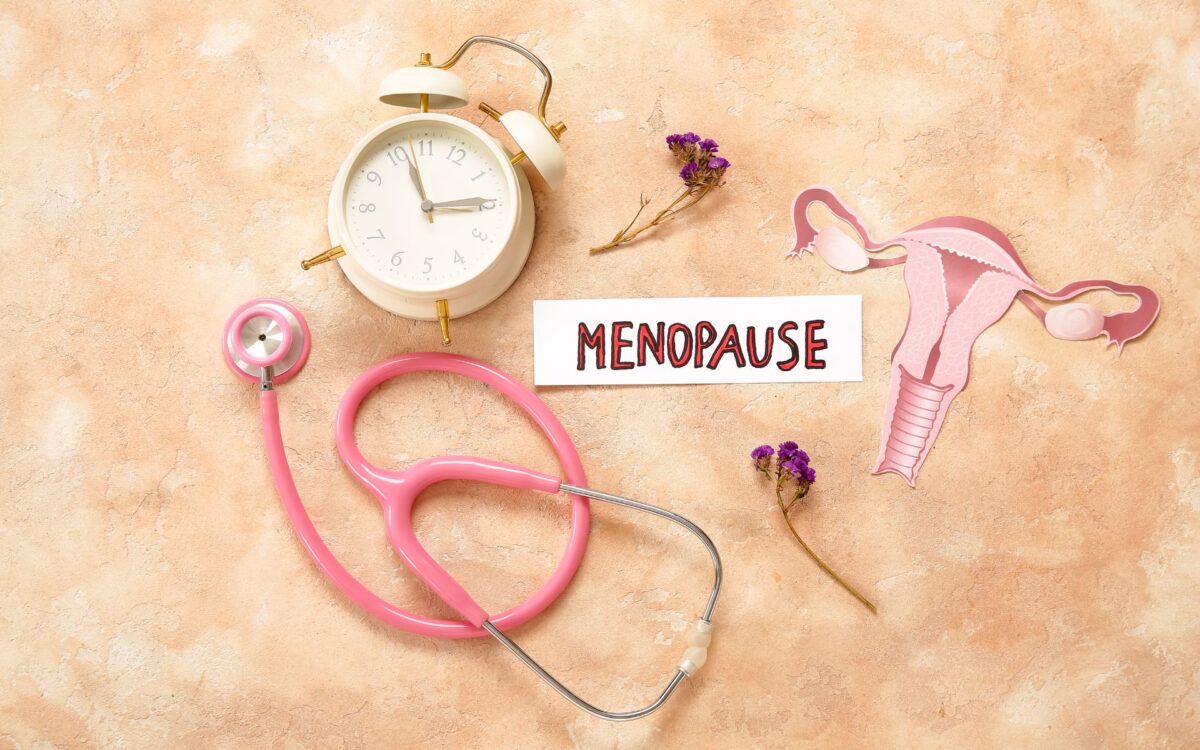
Menopause is a natural stage in every woman’s life, marking the end of menstrual periods and reproductive years. It usually occurs between the ages of 45 and 55, although some women may experience menopause earlier. The transition towards menopause can begin in the early 40s and is often accompanied by several physical, emotional and hormonal changes.
During this phase, levels of important reproductive hormones, particularly oestrogen and progesterone, gradually decline. These hormonal changes can lead to irregular periods, hot flashes, night sweats, mood swings, sleep disturbances, vaginal dryness and changes in bone health.
Although menopause is a natural biological process, its symptoms can affect everyday activities, relationships, sleep and overall quality of life. Some women experience mild symptoms, while others may require medical support to manage more significant discomfort.
Understanding menopause, recognising its early symptoms and seeking appropriate medical guidance can help women navigate this transition with confidence. If you are experiencing hormonal changes after 40, consulting an experienced gynecologist in Mohali can help you understand your symptoms and explore suitable treatment options.
What Is Menopause?
Menopause is the stage when a woman stops having menstrual periods permanently because the ovaries gradually reduce their production of reproductive hormones.
A woman is considered to have reached menopause after going 12 consecutive months without a menstrual period, provided there is no other medical explanation.
Menopause is not an illness. It is a natural part of ageing and reproductive development. However, the hormonal changes associated with menopause can cause symptoms that may require medical attention.
The transition generally happens in three stages:
1. Perimenopause
Perimenopause is the transitional period leading up to menopause. It can begin several years before the final menstrual period.
During this stage, oestrogen levels fluctuate, and menstrual cycles may become irregular. Women may experience hot flashes, mood changes, sleep problems and other hormonal symptoms.
2. Menopause
Menopause is confirmed after 12 consecutive months without menstruation.
At this stage, the ovaries have significantly reduced their production of oestrogen and progesterone.
3. Postmenopause
Postmenopause refers to the years following menopause. Some symptoms, such as hot flashes and vaginal dryness, may continue during this stage.
Women also have an increased risk of certain health conditions, including osteoporosis and cardiovascular disease, making preventive healthcare important.
Why Do Hormonal Changes Occur After 40?
Hormonal changes after 40 are mainly associated with the natural ageing process of the ovaries.
Women are born with a limited number of eggs. As they age, the number of available eggs decreases, and the ovaries gradually become less responsive to hormonal signals.
This affects the production of oestrogen and progesterone, which regulate menstrual cycles, reproductive health and several other body functions.
Oestrogen also plays an important role in maintaining bone density, vaginal health, skin elasticity and temperature regulation.
When oestrogen levels fluctuate and eventually decline, women may notice several physical and emotional changes.
Factors that may influence the timing of menopause include:
- Natural ageing and ovarian function.
- Family history of early or late menopause.
- Smoking and certain lifestyle factors.
- Previous ovarian surgery.
- Chemotherapy or radiation treatment.
- Certain medical conditions affecting ovarian function.
Women who experience menopause before 40 may have premature ovarian insufficiency and should seek medical evaluation.
Common Symptoms of Menopause After 40
Menopause symptoms vary from woman to woman. Some women experience only mild changes, while others may have symptoms that interfere with daily activities.
Recognising these symptoms can help women seek appropriate medical advice.
1. Irregular Menstrual Periods
One of the earliest signs of perimenopause is a change in menstrual cycle patterns.
Periods may become shorter, longer, lighter or heavier than usual. Some women may skip periods for several months before menstruation stops completely.
However, unusually heavy bleeding, bleeding between periods or any bleeding after menopause should be evaluated by a gynecologist.
2. Hot Flashes
Hot flashes are among the most commonly reported menopause symptoms.
Women may suddenly experience intense warmth, particularly around the face, neck and chest. This may be accompanied by sweating, redness and an increased heartbeat.
Hot flashes can occur during the day or night and may affect concentration, comfort and sleep.
3. Night Sweats
Night sweats are episodes of excessive sweating during sleep, sometimes severe enough to require changing clothes or bedsheets.
Frequent night sweats can disturb sleep and contribute to daytime tiredness.
4. Mood Swings and Emotional Changes
Hormonal fluctuations may affect mood and emotional well-being.
Some women experience irritability, anxiety, reduced motivation or feelings of sadness during perimenopause.
Persistent or severe emotional symptoms should not automatically be attributed to menopause and may require separate medical assessment.
5. Sleep Disturbances
Difficulty falling asleep, waking up frequently and poor sleep quality are common complaints during the menopausal transition.
Night sweats, anxiety and hormonal changes may contribute to these problems.
6. Vaginal Dryness and Discomfort
Reduced oestrogen levels can cause vaginal tissues to become thinner, less elastic and drier.
This may result in discomfort during intercourse, irritation, burning sensations and urinary symptoms.
These symptoms are part of genitourinary syndrome of menopause and can be managed with appropriate treatment.
7. Weight Gain and Metabolic Changes
Some women notice changes in body weight and fat distribution during their 40s and 50s.
Ageing, reduced physical activity, sleep disturbances and hormonal changes may contribute to increased abdominal fat.
A healthy diet and regular physical activity can help maintain metabolic health.
8. Reduced Bone Density
Oestrogen helps protect bone strength. As its levels decline, bone loss can accelerate, increasing the risk of osteoporosis and fractures.
Women should discuss bone health assessment with their doctors, particularly when additional risk factors are present.
When Should You Consult a Gynecologist for Menopause Treatment?
Women should consider consulting a gynecologist when hormonal changes begin affecting their comfort, sleep, emotional health or everyday activities.
Medical evaluation is particularly important if you experience:
- Frequent hot flashes or night sweats.
- Irregular or unusually heavy menstrual bleeding.
- Persistent sleep disturbances.
- Vaginal dryness or painful intercourse.
- Recurrent urinary symptoms.
- Mood changes that interfere with daily life.
- Menopause symptoms before the age of 40.
- Any vaginal bleeding after menopause.
Women should also seek medical advice if their periods stop unexpectedly or if they experience symptoms that could be related to thyroid disorders, anaemia or other medical conditions.
A gynecologist can assess the symptoms, review medical history and recommend an appropriate management plan.
5. Menopause Treatment Options for Women in Mohali
Menopause treatment focuses on reducing uncomfortable symptoms, maintaining long-term health and improving quality of life. The treatment plan depends on the woman’s age, symptoms, medical history, family history and individual health requirements.
There is no single treatment suitable for every woman. A gynecologist may recommend lifestyle modifications, non-hormonal medicines, hormonal treatment or a combination of approaches.
1. Menopausal Hormone Therapy (MHT)
Menopausal hormone therapy is one of the most effective treatment options for moderate to severe hot flashes and night sweats.
It involves replacing some of the hormones that the body produces in lower amounts during menopause.
Depending on the patient’s medical history, treatment may include:
- Oestrogen therapy: Helps manage hot flashes, night sweats and certain other menopausal symptoms.
- Combined hormone therapy: Includes oestrogen and a progestogen for women who still have a uterus. The progestogen helps protect the uterine lining from the effects of oestrogen.
- Local vaginal oestrogen: May be prescribed for vaginal dryness, discomfort during intercourse and certain urinary symptoms.
Hormone therapy is not suitable for everyone. Women with certain medical conditions, including a history of breast cancer, blood clots, stroke or unexplained vaginal bleeding, require careful specialist assessment before treatment.
The benefits and potential risks should be discussed with a qualified gynecologist before starting therapy.
2. Non-Hormonal Treatment for Menopause Symptoms
Women who cannot use hormone therapy or prefer non-hormonal options may benefit from other medical treatments.
Depending on the symptoms, a doctor may recommend:
- Certain antidepressant medicines for hot flashes and mood-related symptoms.
- Specific medicines such as gabapentin for vasomotor symptoms in selected patients.
- Vaginal moisturisers and lubricants for dryness and discomfort.
- Cognitive behavioural therapy for sleep difficulties, mood changes and coping with hot flashes.
The choice of treatment depends on symptom severity, medical history and individual preferences.
3. Treatment for Vaginal Dryness
Vaginal dryness is a common menopause-related concern caused by declining oestrogen levels.
Treatment options may include:
- Water-based vaginal lubricants during sexual activity.
- Vaginal moisturisers for regular relief.
- Low-dose vaginal oestrogen when medically appropriate.
- Other locally acting treatments depending on the clinical assessment.
Women should not ignore persistent vaginal discomfort, burning or recurrent urinary symptoms because effective treatments are available.
4. Management of Sleep Problems and Mood Changes
Menopause can affect sleep patterns and emotional well-being.
Treatment may involve improving sleep habits, relaxation techniques, counselling or appropriate medication when required.
Women experiencing persistent anxiety, depression or severe sleep disturbances should receive a proper medical assessment rather than assuming that all symptoms are caused by menopause.
5. Bone Health and Osteoporosis Prevention
Reduced oestrogen levels can accelerate bone loss during and after menopause.
A doctor may recommend bone mineral density testing, particularly for women with additional osteoporosis risk factors.
Management may include:
- Adequate calcium intake.
- Vitamin D supplementation when needed.
- Weight-bearing and resistance exercises.
- Avoiding smoking.
- Appropriate osteoporosis medication for women at increased fracture risk.
Protecting bone health is an important part of long-term menopause management.
6. Diet and Nutrition Tips During Menopause
A balanced diet can support hormonal health, maintain bone strength and reduce the risk of certain metabolic conditions.
Although food cannot stop the natural hormonal changes associated with menopause, good nutrition can help women maintain overall health.
Include Calcium-Rich Foods
Calcium supports bone strength and helps reduce the risk of osteoporosis.
Include milk, curd, paneer, ragi, sesame seeds and other suitable calcium-rich foods in your daily diet.
Consume Vitamin D-Rich Foods
Vitamin D supports calcium absorption and bone health. Sources include fortified foods, eggs and certain fish.
Sunlight exposure and supplements may also be helpful depending on individual requirements.
Eat Protein-Rich Foods
Protein supports muscle strength, tissue repair and healthy ageing.
Include pulses, lentils, beans, dairy products, eggs, nuts and other protein-rich foods.
Add Fruits and Vegetables
Fruits and vegetables provide vitamins, minerals, fibre and antioxidants.
A varied diet containing seasonal produce can support digestive health and overall well-being.
Limit Excessive Caffeine and Alcohol
Some women find that caffeine and alcohol trigger hot flashes or disturb sleep. Reducing consumption may help manage symptoms.
7. Lifestyle Changes to Manage Menopause Symptoms
Along with medical treatment, healthy lifestyle habits can make the menopausal transition easier to manage.
Exercise regularly: Walking, yoga, swimming and strength-training exercises can support heart health, muscle strength and bone density.
Maintain a healthy weight: Balanced nutrition and regular activity can help manage changes in body composition.
Follow a regular sleep schedule: Maintain consistent sleeping and waking times. Keep the bedroom cool and comfortable to manage night sweats.
Manage stress: Meditation, breathing exercises and relaxation techniques may help improve emotional well-being.
Avoid smoking: Smoking is associated with earlier menopause and increased health risks.
Stay socially connected: Talking with family, friends or support groups can help women manage emotional changes and feel more confident during menopause.
8. What Tests May Be Recommended During Menopause?
Menopause assessment usually begins with a discussion of symptoms, menstrual history and medical background, followed by a physical examination when appropriate.
For otherwise healthy women aged 45 and above with typical symptoms and menstrual changes, natural menopause is generally diagnosed clinically rather than through routine hormone blood tests.
Depending on the patient’s symptoms and medical history, a gynecologist may recommend:
| Investigation | Purpose |
|---|---|
| Thyroid function test | Checks for thyroid-related symptoms |
| Blood sugar test | Assesses diabetes risk |
| Lipid profile | Evaluates cholesterol levels |
| Complete blood count | Checks for anaemia when indicated |
| Pelvic ultrasound | Evaluates abnormal bleeding or pelvic symptoms |
| Bone mineral density (DEXA) | Assesses osteoporosis risk |
| Mammography | Breast cancer screening according to age and risk |
FSH and other hormone tests may be useful in selected situations, such as suspected premature ovarian insufficiency or early menopause, but are not routinely required to diagnose natural menopause in women over 45 with typical symptoms.
Importantly, women aged 40 and above experiencing abnormal uterine bleeding should receive timely gynecological evaluation. The cause should not automatically be attributed to menopause. PMC+1
9. Can Menopause Occur Before the Age of 45?
Yes. Although menopause commonly occurs between 45 and 55, some women experience it earlier.
Menopause occurring between 40 and 45 is generally referred to as early menopause. When ovarian function becomes insufficient before 40, the condition may be classified as premature ovarian insufficiency (POI).
Possible causes include:
- Genetic or autoimmune conditions.
- Previous ovarian surgery.
- Chemotherapy or radiation treatment.
- Certain medical conditions.
- Family history of early menopause.
Women experiencing irregular periods, hot flashes or other menopausal symptoms before 40 should consult a gynecologist for evaluation.
Early menopause requires particular attention because prolonged low oestrogen levels may affect bone health and cardiovascular health. Hormone therapy may be recommended in eligible women until the usual age of natural menopause, following individual medical assessment.
10. Why Regular Gynecological Checkups Are Important After 40
Regular gynecological checkups become increasingly important as women approach menopause.
These consultations help identify hormonal changes, menstrual abnormalities and other health concerns that may require treatment.
Important aspects of women’s healthcare after 40 include:
Menstrual health assessment: Changes in menstrual cycles should be evaluated, particularly when bleeding becomes unusually heavy or prolonged.
Breast health screening: Women should follow age-appropriate breast screening recommendations based on their individual risk factors.
Cervical cancer screening: Regular cervical screening, including Pap tests or HPV testing where appropriate, helps identify precancerous changes.
Bone health assessment: Women with additional risk factors may require bone density testing.
Metabolic health monitoring: Blood pressure, blood sugar and cholesterol assessments can help identify cardiovascular and metabolic risks.
Menopause symptom management: Persistent hot flashes, vaginal dryness, mood changes and sleep disturbances should be discussed with a gynecologist.
Preventive healthcare allows women to make informed decisions about their health during perimenopause and postmenopause.
11. Menopause Treatment in Mohali: When to Consult Dr. JP Kaur?
Women experiencing hormonal changes after 40 may benefit from consulting an experienced gynecologist who understands different stages of women’s reproductive health.
At Dr. JP Kaur Clinic in Mohali, women can seek professional gynecological consultation for reproductive health concerns, hormonal changes, menstrual problems and other women’s healthcare needs.
Dr. JP Kaur is a Gynae & Obstetrics specialist with qualifications including:
- MS (Obgy)
- MRCOG – London (UK)
- EFOG–EBCOG (Europe)
- Senior Consultant in Obstetrics & Gynaecology
- Advanced Gynaecological Laparoscopic Surgeon
- Infertility and IVF Specialist
- Former Senior Registrar at AIIMS, New Delhi
Women approaching menopause can discuss their symptoms, medical history and treatment requirements during a gynecological consultation.
Whether you are experiencing irregular periods, hot flashes, sleep disturbances or other hormonal changes, timely medical guidance can help you understand the available management options.
If you are searching for a gynecologist in Mohali for women’s healthcare after 40, visit Dr. JP Kaur Clinic for professional consultation and guidance.
Frequently Asked Questions (FAQs)
1. What is the right age for menopause in women?
Menopause commonly occurs between 45 and 55 years of age. However, the exact age varies between women depending on genetics, ovarian function and certain medical factors. Menopause before 45 is considered early menopause, while ovarian insufficiency before 40 requires specific medical evaluation.
2. What are the first signs of menopause after 40?
The early signs may include irregular periods, hot flashes, night sweats, mood swings, difficulty sleeping, vaginal dryness and changes in sexual health. These symptoms may begin during perimenopause, several years before menstruation stops permanently.
3. Can menopause symptoms be treated without hormone therapy?
Yes. Women who cannot use hormone therapy or prefer non-hormonal treatments may benefit from lifestyle modifications, cognitive behavioural therapy, selected prescription medicines, vaginal moisturisers and other symptom-specific treatments. A gynecologist can recommend appropriate options.
4. Is hormone replacement therapy safe during menopause?
Menopausal hormone therapy can be effective for managing moderate to severe hot flashes and other symptoms in appropriately selected women. Its safety depends on age, timing, medical history, type of hormone and route of administration. Women with certain medical conditions may need alternative treatments.
5. Can menopause cause weight gain after 40?
Hormonal changes, ageing, reduced muscle mass, sleep disturbances and lifestyle factors may contribute to weight gain during menopause. Women may also notice increased abdominal fat. Regular physical activity, strength training and balanced nutrition can help manage these changes.
6. Does menopause affect sexual health?
Yes. Reduced oestrogen levels can cause vaginal dryness, discomfort during intercourse and changes in sexual desire. These symptoms can often be managed through vaginal moisturisers, lubricants, local treatments or other appropriate medical options.
7. Can women get pregnant during perimenopause?
Yes. Pregnancy is still possible during perimenopause because ovulation may occur even when menstrual cycles become irregular. Women who do not wish to become pregnant should discuss suitable contraception with their gynecologist until menopause is confirmed and contraception is no longer required.
8. When should I visit a gynecologist for menopause treatment in Mohali?
You should consult a gynecologist if you experience frequent hot flashes, night sweats, irregular periods, vaginal dryness, sleep disturbances or mood changes that affect daily life. Any bleeding after menopause requires medical evaluation.