

Female Gynaecologist in Chandigarh for Irregular Periods and Hormonal Issues
November 14, 2026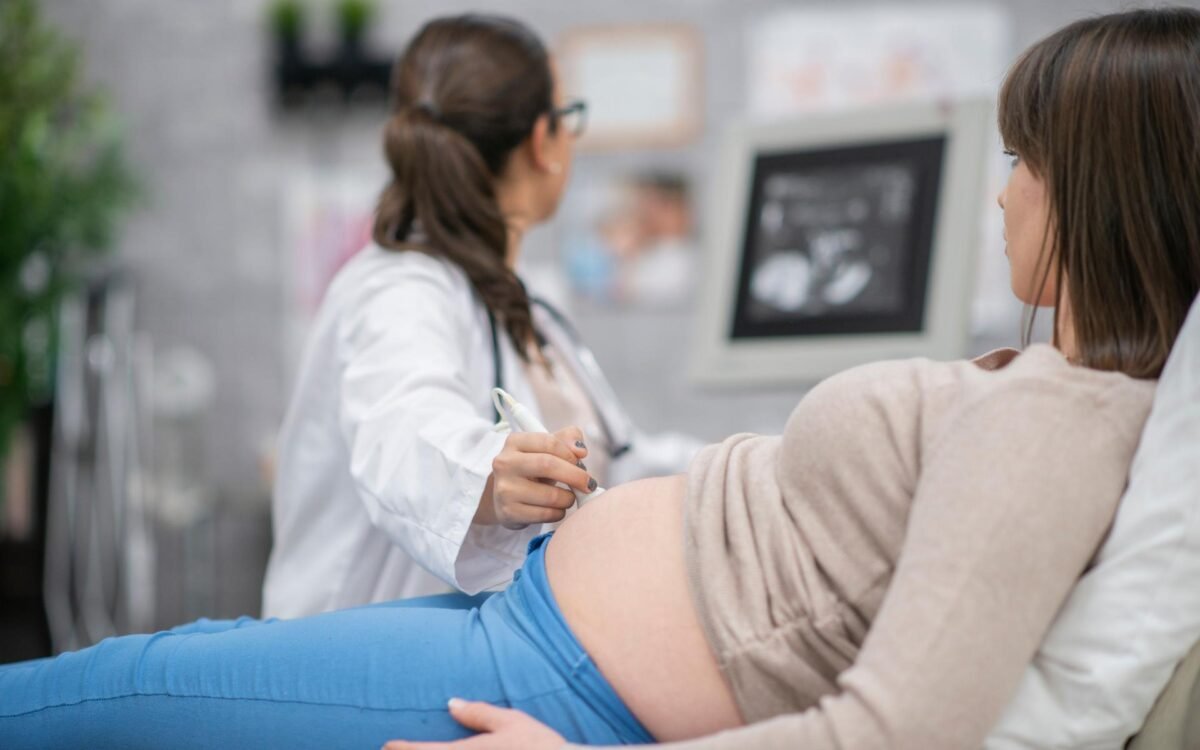
Pregnancy is an important journey that requires proper medical care, regular monitoring and timely guidance. While many women experience a healthy pregnancy without major complications, some pregnancies require additional attention because of medical conditions affecting the mother or the developing baby. These pregnancies are commonly known as high-risk pregnancies.
A high-risk pregnancy does not necessarily mean that complications will occur. It simply indicates that certain medical or pregnancy-related factors may increase the possibility of health problems and require closer supervision by an experienced obstetrician.
Conditions such as high blood pressure, gestational diabetes, thyroid disorders, multiple pregnancies, previous pregnancy complications and advanced maternal age may increase pregnancy-related risks. Recognising warning signs early and seeking appropriate medical attention can help protect both maternal and fetal health.
If you are looking for a high-risk pregnancy doctor in Chandigarh, choosing an experienced obstetrician is an important step towards safe pregnancy management. Dr. JP Kaur, Senior Consultant Obstetrics and Gynaecology, provides specialised pregnancy care, high-risk pregnancy management and women’s healthcare at Dr. JP Kaur Clinic in Mohali.
What Is a High-Risk Pregnancy?
A high-risk pregnancy is a pregnancy in which the mother, baby or both may have an increased risk of health complications before, during or after delivery.
Certain medical conditions may exist before conception, while others can develop during pregnancy. These conditions may require additional tests, frequent antenatal appointments, specialist consultations or closer monitoring of the baby’s growth.
The purpose of high-risk pregnancy care is to identify potential complications early, manage existing health conditions and develop an appropriate pregnancy and delivery plan.
With proper medical supervision, many women with high-risk pregnancies can have positive pregnancy outcomes.
Common Causes of High-Risk Pregnancy
Several factors can increase the possibility of complications during pregnancy. Understanding these risk factors helps expecting mothers seek timely medical advice.
1. Pregnancy After the Age of 35
Women who become pregnant at 35 years or older may have an increased risk of certain pregnancy complications. These can include gestational diabetes, high blood pressure, chromosomal conditions and pregnancy loss.
However, age alone does not mean that a pregnancy will be complicated. Many women above 35 have healthy pregnancies with appropriate medical care.
An experienced gynaecologist may recommend additional screening tests and closer monitoring based on individual health requirements.
2. High Blood Pressure During Pregnancy
High blood pressure can develop during pregnancy or may already exist before conception. Pregnancy-related hypertension requires careful monitoring because it can affect blood flow to the placenta and increase the risk of complications.
One serious condition associated with high blood pressure is preeclampsia, which can affect multiple organs and may become dangerous for both mother and baby.
Regular blood pressure checks, urine investigations and appropriate medical management are important for women with hypertension.
3. Gestational Diabetes
Gestational diabetes develops when blood sugar levels become elevated during pregnancy.
It may occur because pregnancy hormones affect how the body uses insulin. If blood sugar levels remain uncontrolled, gestational diabetes can increase the risk of excessive fetal growth, difficult delivery, preterm birth and other complications.
Blood sugar monitoring, nutritional guidance, physical activity and medication when necessary help manage the condition.
4. Thyroid Disorders
Thyroid hormones play an important role in maternal metabolism and the baby’s development.
Both hypothyroidism and hyperthyroidism may require medical treatment during pregnancy. Untreated thyroid disorders can increase the risk of pregnancy complications.
Women with a history of thyroid problems should inform their gynaecologist before or early in pregnancy so that thyroid levels can be assessed and monitored.
5. Multiple Pregnancy
Women carrying twins or triplets generally require closer pregnancy monitoring than those carrying a single baby.
Multiple pregnancies may increase the risk of premature delivery, low birth weight, pregnancy-related hypertension and gestational diabetes.
Regular ultrasound examinations help doctors monitor fetal growth, amniotic fluid levels and other important aspects of pregnancy.
6. Previous Pregnancy Complications
A history of miscarriage, premature delivery, stillbirth, preeclampsia or complicated delivery may influence the management of a subsequent pregnancy.
Women with previous pregnancy complications should share their complete medical history with their obstetrician.
Based on the earlier complications, the doctor may recommend preventive measures, additional investigations and a personalised monitoring schedule.
Warning Signs of High-Risk Pregnancy You Should Never Ignore
Recognising unusual symptoms during pregnancy is essential. Some symptoms may be harmless, while others can indicate serious complications that need immediate medical attention.
1. Vaginal Bleeding During Pregnancy
Vaginal bleeding during pregnancy should always be medically evaluated. Light spotting can occur in some pregnancies, but bleeding may also indicate miscarriage, ectopic pregnancy, placental problems or other complications.
Heavy bleeding, severe abdominal pain or dizziness requires urgent medical attention.
Pregnant women should not ignore bleeding or attempt self-treatment without consulting a healthcare professional.
2. Severe Abdominal Pain
Mild stretching sensations and occasional discomfort may occur during pregnancy. However, persistent or severe abdominal pain should not be considered normal.
Severe pain may be associated with ectopic pregnancy in early pregnancy, placental abruption later in pregnancy or other abdominal and pregnancy-related conditions.
If pain occurs with bleeding, fever, fainting or vomiting, seek immediate medical assessment.
3. Severe Headaches and Blurred Vision
Persistent or severe headaches, blurred vision, flashing lights or sudden visual disturbances can be warning signs of preeclampsia, particularly after 20 weeks of pregnancy.
Other symptoms may include sudden swelling of the face and hands, upper abdominal pain and high blood pressure.
These symptoms require urgent assessment because preeclampsia can progress rapidly.
4. Sudden Swelling of the Face and Hands
Some swelling of the feet and ankles is common during pregnancy. However, sudden or significant swelling of the face and hands, particularly when accompanied by headaches or visual changes, may indicate a pregnancy-related complication.
A doctor should evaluate these symptoms and check blood pressure and other relevant parameters.
5. Reduced Baby Movement
As pregnancy progresses, mothers become familiar with their baby’s usual movement patterns.
A noticeable reduction or change in fetal movements should never be ignored. Reduced movements may sometimes indicate that the baby requires medical assessment.
Women should contact their maternity healthcare team promptly rather than waiting until the next scheduled appointment.
6. Persistent Vomiting and Dehydration
Nausea and vomiting are common during early pregnancy. However, severe or persistent vomiting that prevents a woman from keeping fluids or food down may lead to dehydration.
This condition, known as hyperemesis gravidarum in severe cases, may require medical treatment and fluid replacement.
7. Leakage of Fluid Before the Due Date
A sudden gush or continuous leakage of fluid from the vagina may indicate that the amniotic sac has ruptured.
If this happens before 37 weeks, it may be a sign of preterm prelabour rupture of membranes and requires urgent medical evaluation.
8. Difficulty Breathing or Chest Pain
Mild breathlessness can occur during pregnancy, but sudden or severe breathing difficulty, chest pain, fainting or a racing heartbeat requires emergency medical attention.
These symptoms may be associated with serious heart, lung or blood clot-related conditions.
Important Tests for High-Risk Pregnancy Monitoring
High-risk pregnancy management involves regular clinical assessments and investigations based on the mother’s medical history and pregnancy stage.
A specialist may recommend the following tests.
1. Ultrasound Scans
Ultrasound examinations help assess the baby’s development, growth, position and amniotic fluid levels.
Depending on the pregnancy, the doctor may recommend early dating scans, first trimester screening, detailed fetal anatomy scans and additional growth scans.
2. Blood Pressure Monitoring
Regular blood pressure measurements help identify hypertension and monitor women who already have high blood pressure.
Women at risk of preeclampsia may require additional investigations and closer monitoring.
3. Blood Sugar Testing
Blood glucose testing helps identify diabetes and gestational diabetes.
Depending on individual risk factors, early testing may be recommended, followed by routine gestational diabetes screening, commonly between 24 and 28 weeks.
4. Thyroid Function Tests
Thyroid function tests help assess hormone levels and identify thyroid abnormalities that may require treatment.
Women with known thyroid disorders may need repeated testing throughout pregnancy.
5. Urine Tests
Urine examinations can help identify urinary tract infections and detect protein in the urine.
Proteinuria, when considered alongside high blood pressure and other clinical findings, may help doctors evaluate possible preeclampsia.
6. Fetal Monitoring
Depending on the pregnancy and gestational age, doctors may recommend fetal heart rate monitoring, non-stress tests or biophysical profiles.
These assessments help evaluate the baby’s well-being, particularly in pregnancies with certain medical complications.
How Is a High-Risk Pregnancy Managed?
High-risk pregnancy management focuses on reducing preventable complications and monitoring maternal and fetal health throughout pregnancy.
The treatment plan depends on the underlying condition, pregnancy stage and individual medical requirements.
Regular Antenatal Checkups
Women with high-risk pregnancies may need more frequent appointments than those with uncomplicated pregnancies.
These visits help doctors monitor blood pressure, weight, symptoms, fetal growth and other important health parameters.
Managing Existing Medical Conditions
Conditions such as diabetes, hypertension and thyroid disorders require appropriate treatment and monitoring.
The doctor may adjust medications to ensure that they are suitable for use during pregnancy.
Nutritional Guidance
A balanced diet provides important nutrients for maternal health and fetal development.
Women with gestational diabetes or other medical conditions may require specific dietary recommendations from their healthcare team.
Medication and Preventive Care
Some women may require medicines to manage blood pressure, control blood sugar or reduce the risk of certain pregnancy complications.
For selected women at increased risk of preeclampsia, low-dose aspirin may be recommended by the treating doctor, usually beginning in early pregnancy. It should never be started without medical advice.
Planning the Delivery
Delivery planning is an important part of high-risk pregnancy care.
The obstetrician considers the mother’s medical condition, fetal growth, pregnancy progress and possible delivery complications when recommending the appropriate delivery plan.
Depending on the circumstances, vaginal delivery or a C-section may be recommended.
Can a High-Risk Pregnancy Have a Normal Delivery?
Yes. A high-risk pregnancy does not automatically mean that a woman will require a C-section.
Many women with conditions such as controlled gestational diabetes, mild hypertension or thyroid disorders may be able to have a vaginal delivery, depending on their medical condition and the baby’s well-being.
However, a C-section may be necessary in certain situations, including fetal distress, placenta previa, specific fetal positions or other maternal and fetal complications.
The final delivery decision should be based on medical assessment rather than assumptions about high-risk pregnancy.
Tips for Maintaining a Healthy High-Risk Pregnancy
Although not every pregnancy complication can be prevented, following appropriate health recommendations can support maternal and fetal well-being.
- Attend all scheduled antenatal appointments.
- Take prescribed medicines and supplements as directed.
- Monitor blood pressure and blood sugar when advised.
- Follow a balanced and nutritious diet.
- Maintain appropriate physical activity with medical approval.
- Get sufficient sleep and rest.
- Avoid smoking, alcohol and non-prescribed medications.
- Report unusual symptoms without delay.
- Follow the recommended ultrasound and fetal monitoring schedule.
Most importantly, pregnant women should maintain regular communication with their obstetrician and avoid relying on unverified pregnancy advice.
Why Choose a Specialist for High-Risk Pregnancy Care?
High-risk pregnancy management requires careful assessment, medical knowledge and the ability to identify complications at an early stage.
An experienced obstetrician can help expecting mothers understand their risks, interpret investigation reports and develop an appropriate pregnancy management plan.
When choosing a high-risk pregnancy doctor, consider the following factors:
Qualifications and Experience: Look for a specialist with recognised qualifications and experience in obstetrics and high-risk pregnancy management.
Individualised Monitoring: Every pregnancy is different. Monitoring should be based on the mother’s medical history and current pregnancy findings.
Clear Communication: Your doctor should explain test results, possible complications and treatment options.
Emergency Planning: Women with high-risk pregnancies should understand where and when to seek urgent medical assistance.
Delivery Planning: An appropriate delivery plan should be developed according to maternal health and fetal well-being.
Consult Dr. JP Kaur for High-Risk Pregnancy Care in Mohali
Managing a high-risk pregnancy requires timely diagnosis, regular antenatal consultations and personalised medical attention. Women experiencing pregnancy complications or having pre-existing medical conditions should seek guidance from an experienced obstetrician.
Dr. JP Kaur is a Senior Consultant Obstetrics and Gynaecology specialist with qualifications including MS (Obgy), MRCOG–London (UK) and EFOG–EBCOG (Europe). She also has experience in advanced gynaecological laparoscopic surgery and infertility and IVF-related care.
At Dr. JP Kaur Clinic in Mohali, women can seek pregnancy consultations, antenatal care, high-risk pregnancy evaluation, pregnancy-related guidance and other gynaecological services.
Women searching for a high-risk pregnancy doctor in Chandigarh can also consider consulting Dr. JP Kaur in nearby Mohali for personalised obstetric care.
Whether you are planning your first pregnancy, expecting after 35, managing diabetes or hypertension, or have experienced complications during an earlier pregnancy, timely medical evaluation can help you understand your health requirements.
Visit Dr. JP Kaur Clinic to learn more about pregnancy care and women’s healthcare services.
Frequently Asked Questions (FAQs)
1. What is considered a high-risk pregnancy?
A pregnancy is considered high-risk when certain medical, maternal or fetal factors increase the possibility of complications. Examples include high blood pressure, diabetes, thyroid disorders, multiple pregnancies, previous pregnancy complications and certain maternal age-related risks.
2. What are the warning signs of a high-risk pregnancy?
Warning signs include vaginal bleeding, severe abdominal pain, persistent headaches, blurred vision, sudden swelling of the face or hands, reduced fetal movements, fluid leakage and severe breathing difficulty. Some symptoms require immediate medical attention.
3. Can a woman with PCOS have a high-risk pregnancy?
Women with PCOS can have healthy pregnancies, but some may have an increased risk of gestational diabetes, hypertension and other complications. Regular antenatal monitoring and appropriate medical guidance are important.
4. Is pregnancy after 35 always considered high-risk?
Pregnancy after 35 may involve increased risks of certain complications, but it does not mean that problems will necessarily occur. Individual health, medical history and pregnancy findings determine the level of monitoring required.
5. How often should I visit a doctor during a high-risk pregnancy?
The frequency of antenatal visits depends on the medical condition and stage of pregnancy. Some women may require weekly or more frequent monitoring, while others may need additional appointments only at specific stages.
6. Can high blood pressure affect the baby during pregnancy?
Yes. Uncontrolled high blood pressure may affect placental blood flow and increase the risk of fetal growth restriction, premature delivery and other complications. Regular monitoring and appropriate treatment are essential.
7. Does a high-risk pregnancy always require a C-section?
No. Many women with high-risk pregnancies can have a vaginal delivery when maternal and fetal conditions permit. The delivery method depends on individual medical findings and the safety of both mother and baby.
8. When should I consult a high-risk pregnancy specialist?
Women with pre-existing medical conditions, previous pregnancy complications, multiple pregnancies or unusual symptoms should consult an obstetrician early. Early evaluation helps doctors develop an appropriate monitoring and treatment plan.